Why some photographs remain with us — and how separate images can grow into a Visual Story
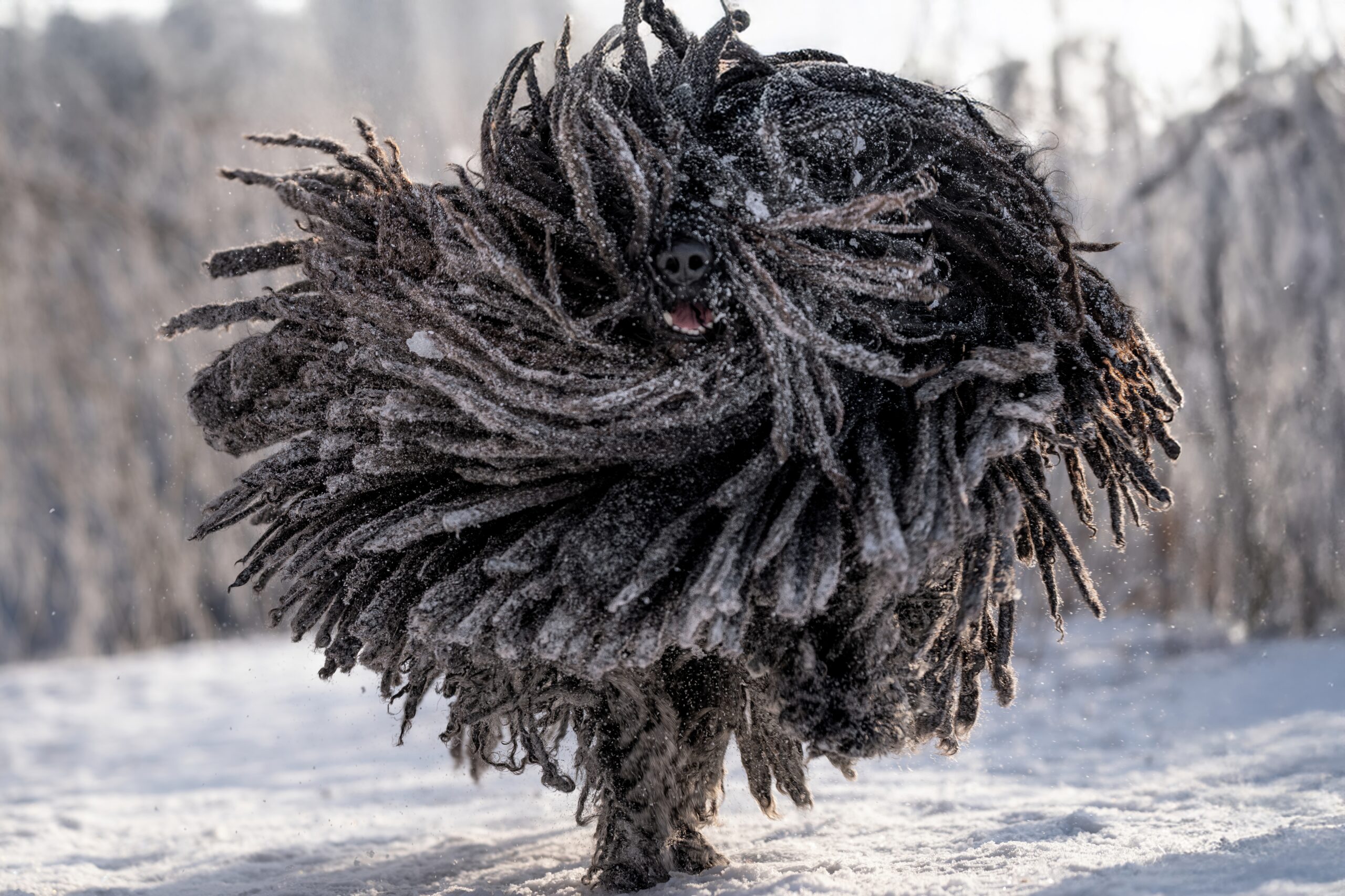
Visual Stories begin when photographs preserve more than the appearance of a moment.
Sometimes an image holds something less visible: the feeling of being there.
The quiet before movement.
The distance between two figures.
A change in the light.
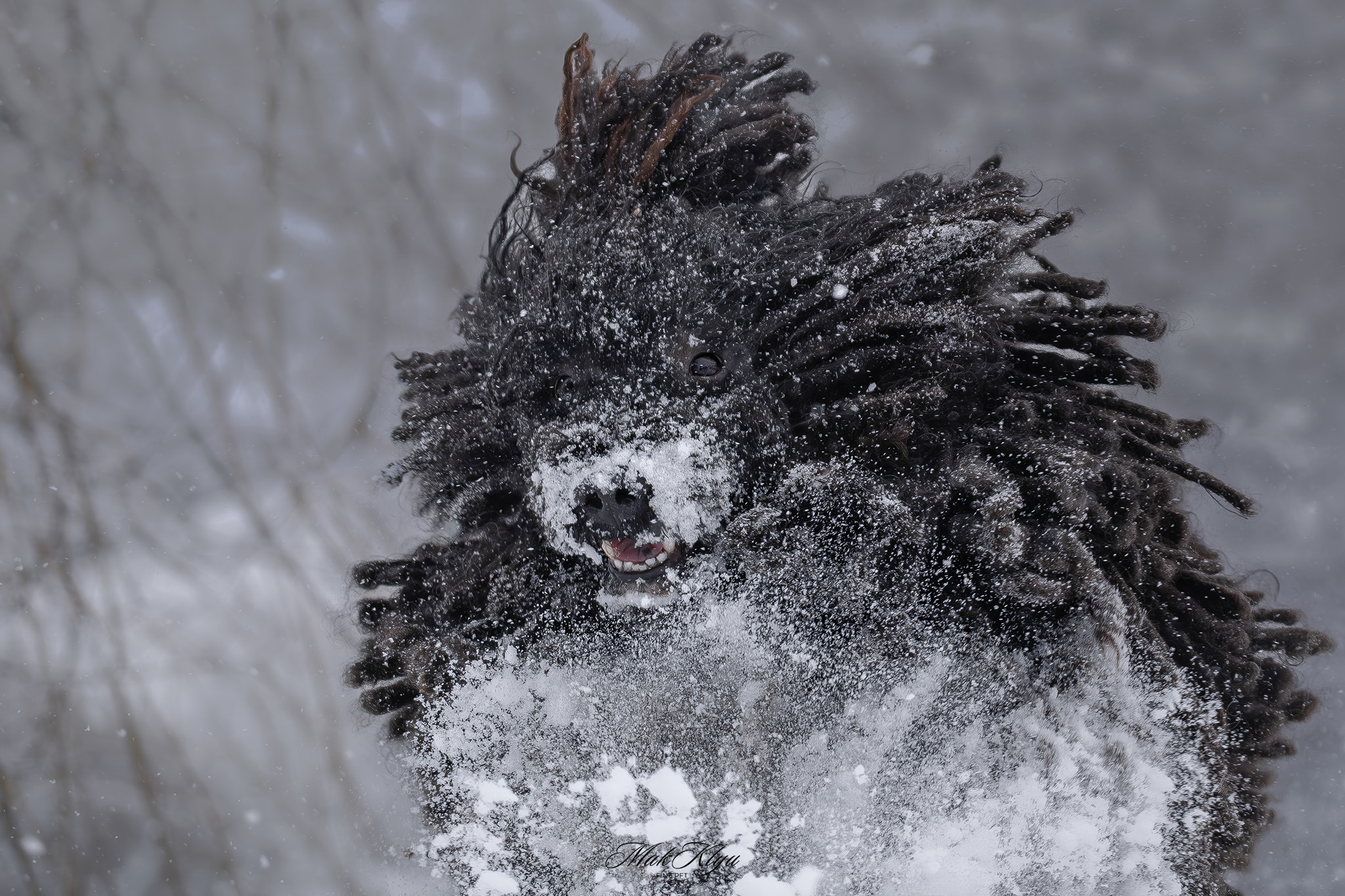
The instant an animal turns towards something beyond the frame.
These details may seem insignificant when the photograph is made.
Later, they become the part we remember most clearly.
This is where photography begins to move beyond documentation.
It no longer serves only as evidence that something happened. It becomes a form of memory.
Not a perfect record, but a living one.
The Difference Between Recording and Remembering
A camera records what was visible within a fraction of a second.
Memory works differently.
Memory does not preserve every detail equally.
It keeps certain gestures, colours, distances and sensations while allowing others to disappear.
It connects moments that may originally have been separated by minutes, hours or even seasons.
A single photograph can work in much the same way.
We may return to an image because of the subject it contains, but what holds us there is often more difficult to name.
Perhaps it is the quality of the light, the silence surrounding the animal or the sense that something is about to happen.
The photograph does not simply show us the past. It reawakens our relationship with it.
This is particularly important in animal photography.
Animals do not construct a version of themselves for the camera.
Their attention remains with the world: with scent, sound, weather, movement and the presence of those they trust.
When we photograph them without forcing the moment, the resulting images preserve more than appearance. They retain traces of character, curiosity, hesitation, confidence and belonging.
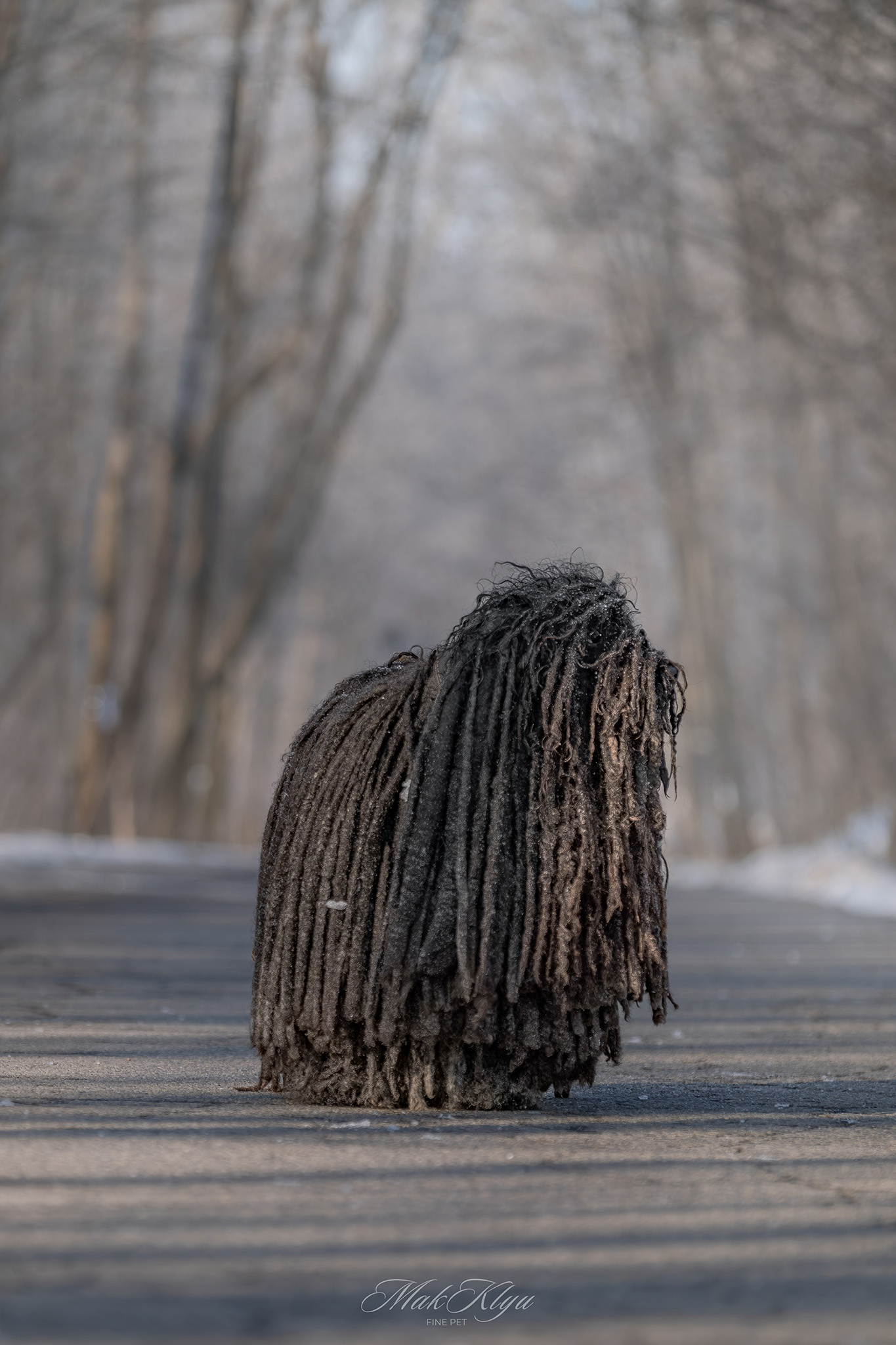
Why Visual Stories Need More Than One Photograph
Some moments are complete within a single frame.
Others reveal their meaning gradually.
An animal enters a landscape.
Something attracts its attention.
The distance changes.
A path is followed.
A pause occurs.
A final look transforms everything that came before it.
Each photograph may stand independently, yet together they create a different experience.
The relationship between the images begins to matter as much as the individual photographs themselves.
This is the beginning of a Visual Story.
A Visual Story is not simply a collection of successful images from the same session.
It is not a gallery arranged by colour, chronology or technical perfection.
It is a sequence in which one photograph changes the way we understand the next.
The empty space between two frames becomes part of the story.
So does repetition.
So does silence.
The viewer is not told exactly what happened.
Instead, they are given enough to enter the experience and discover its emotional movement for themselves.
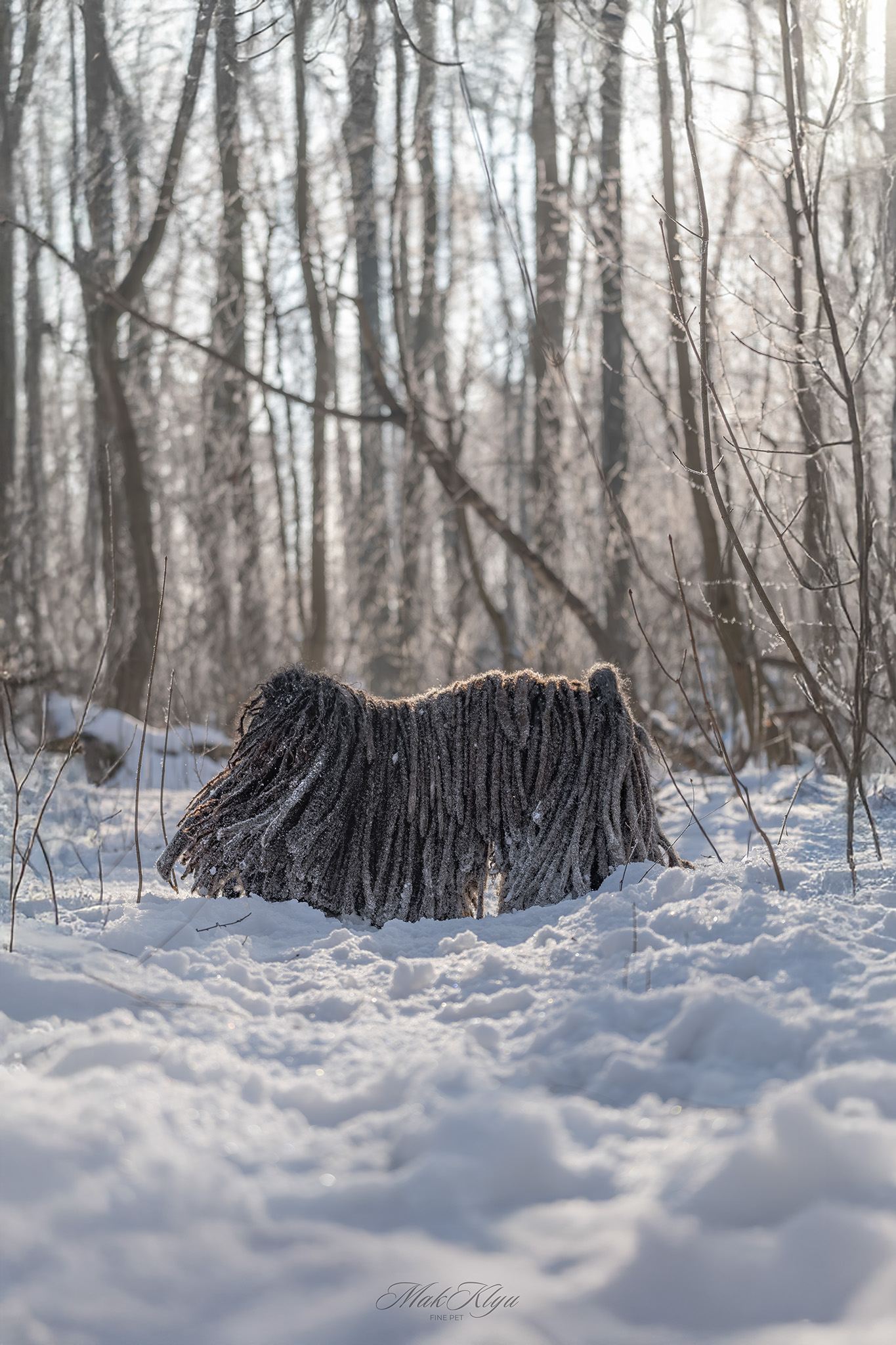
The Text Is Born From the Photograph
In conventional editorial work, photographs are often chosen to illustrate an idea that already exists.
The text comes first, and the image supports it.
Makklyu Art follows the opposite direction:
Photography does not illustrate the text.
The text is born from the photograph.
This distinction changes the entire creative process.
We do not begin by deciding what a photograph must mean.
We begin by looking.
We notice what continues to return: a gesture, an atmosphere, a relationship, a moment of uncertainty or recognition.
Only then can language appear.
The words do not describe what is already visible.
They respond to what the photographs have revealed.
This is why a Visual Story cannot be reduced to captions.
A caption identifies.
A Visual Story opens a space in which the image can continue to live.
The purpose of the text is not to close that space with an explanation.
It is to help us remain inside it a little longer.
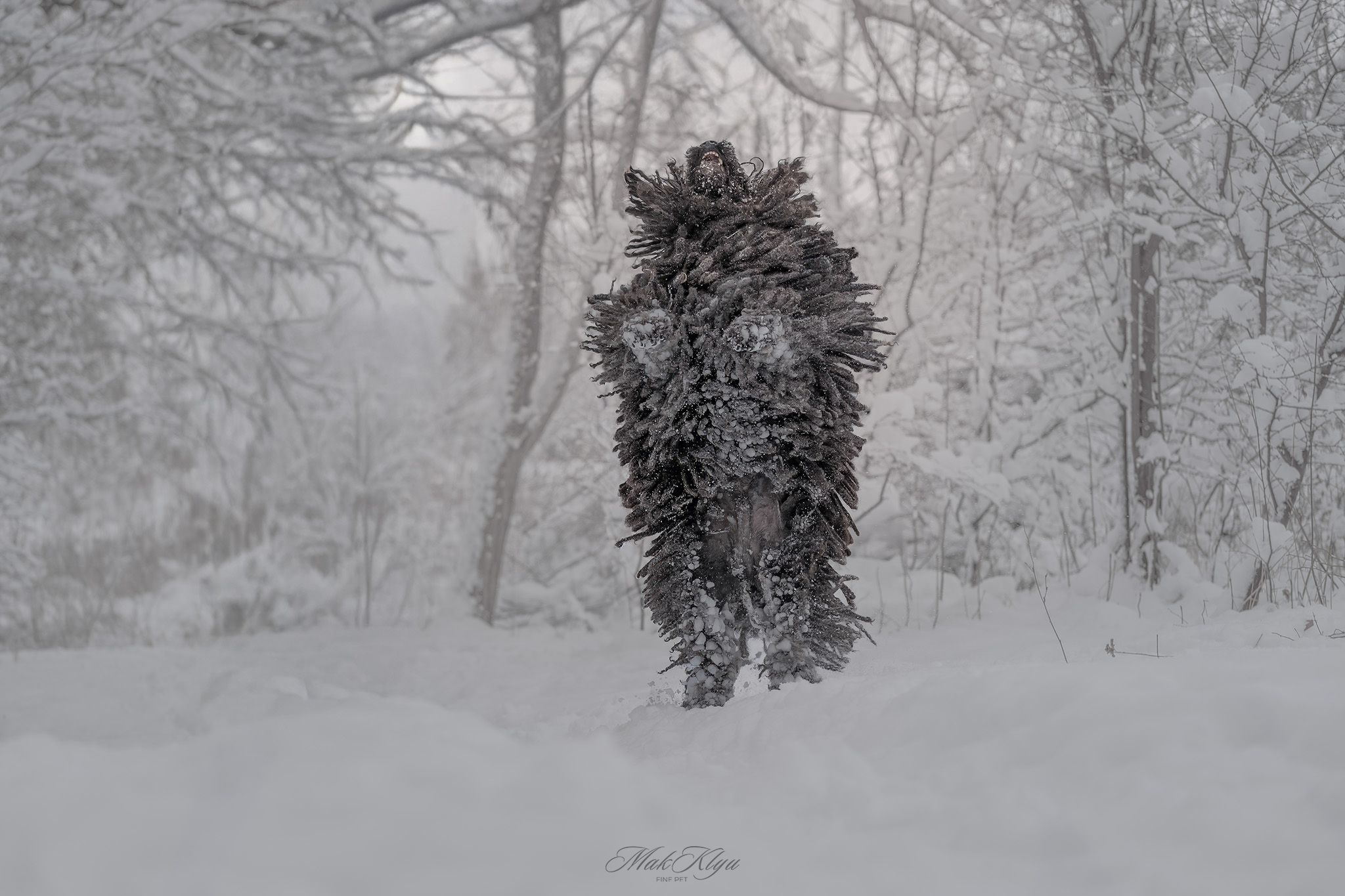
Memory Is Made Through Relationships
We often think of memory as something contained within individual images.
Yet much of its meaning exists in relationships.
A close portrait may become more intimate after we have first seen the landscape surrounding it.
A moment of movement may feel more powerful after a quiet frame.
An ordinary gesture may acquire emotional weight when it returns later in the sequence.
The story is created through these connections.
This is also how we remember the animals who share our lives.
We rarely remember them as a series of perfect poses.
We remember patterns: the places they chose, the way they waited, the direction they looked, the small rituals repeated so often that they became part of everyday life.
Over time, these fragments form something larger than a record.
They become a sense of presence.
A Visual Story attempts to preserve that presence without turning it into a fixed explanation.
It respects the fact that every relationship contains parts that cannot be translated completely into words.
From Photograph to Visual Story, From Visual Story to Book
When photographs begin to belong to one another, their natural form may extend beyond a screen.
A sequence can become a publication, an exhibition or a book — not because it needs to be transformed into a product, but because the story has found a form capable of holding it.
The book is especially close to the way memory works.
A page is seen and then turned.
An image disappears but remains in the mind while the next one appears.
The reader controls the rhythm, pauses where something feels important and sometimes returns to the beginning with a different understanding.
The physical object creates continuity between separate moments.
This is the direction behind the Makklyu Art Visual Stories Library:
Individual photographic experiences are allowed to grow into complete narrative works.
Some begin with animals; others may begin with a landscape, weather, a path or an almost unnoticed encounter.
What connects them is not their subject alone. It is the act of paying attention.
What We Choose to Keep
Photography cannot prevent time from passing.
It cannot preserve a living moment exactly as it was.
But it can help us recognise what the moment contained.
Sometimes that is the character of an animal.
Sometimes it is the atmosphere of a place.
Sometimes it is the quiet relationship between them.
And sometimes the photograph reveals something we did not understand until much later.
That is why certain images remain with us.
They do not merely return us to the past.
They continue to change as we change.
A photograph becomes a form of memory when it is no longer only about what we saw.
It becomes part of how we understand what we lived.
And when several photographs begin to speak to one another, memory finds a sequence, a rhythm and, eventually, a story.
To see life fully is itself a form of love.