Introduction
Natural dog photography begins long before a dog looks toward the camera.
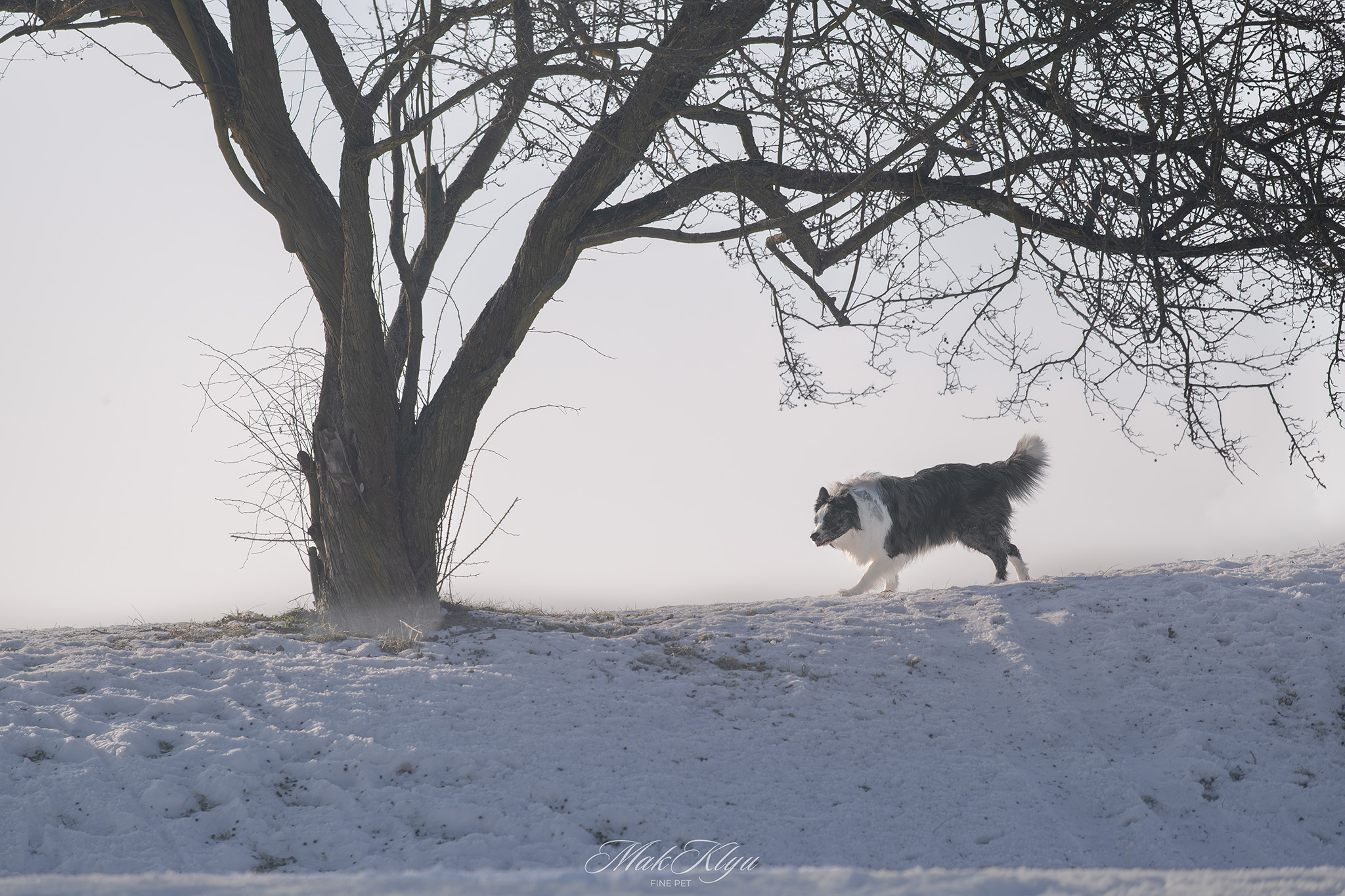
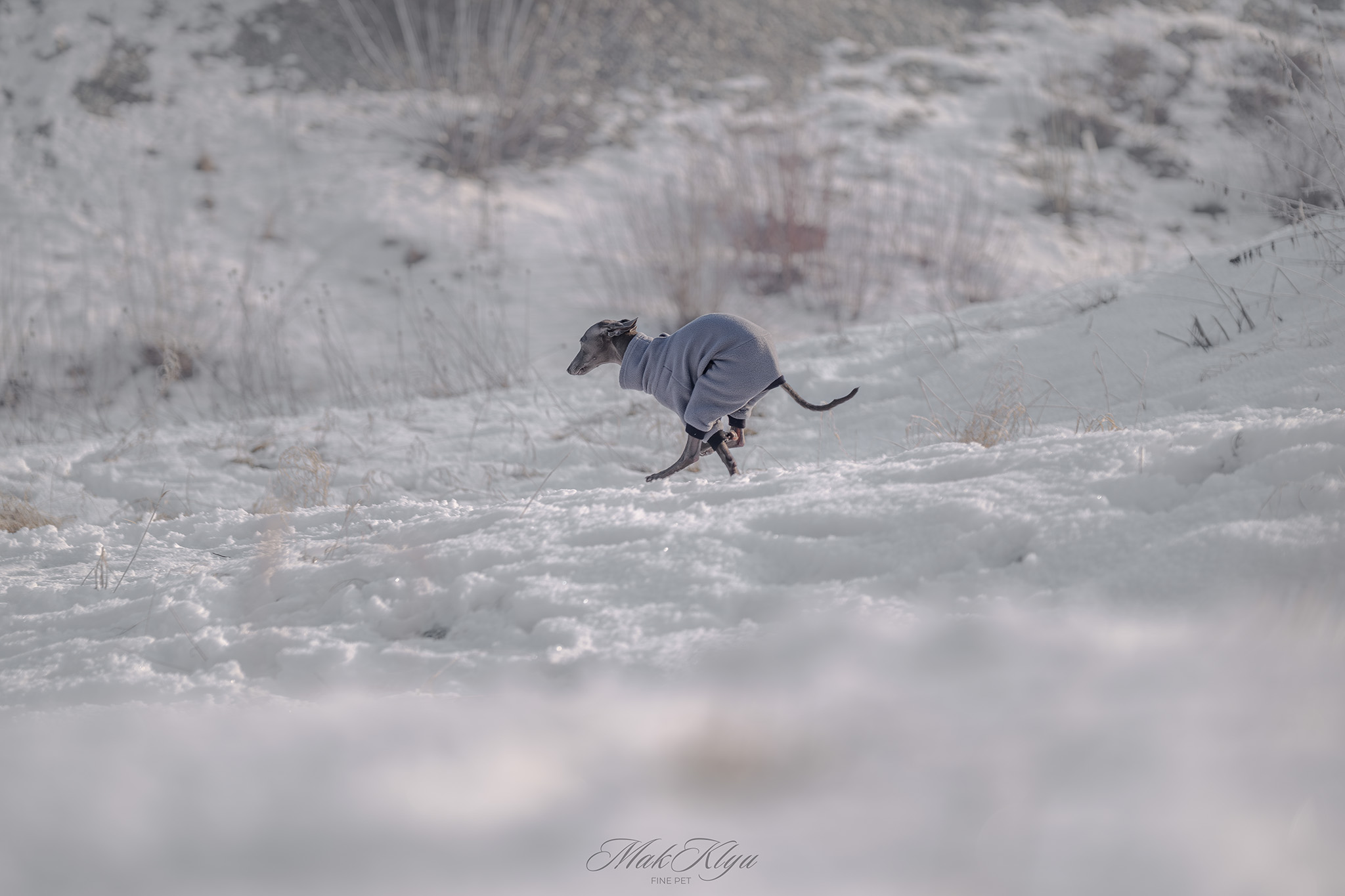
It begins in the small decisions made during a walk: moving ahead, stopping to investigate something in the snow, turning toward a distant sound, waiting for a moment, or choosing to come closer again.
These gestures may seem ordinary.
Yet they often reveal something more truthful than a carefully arranged pose.
When a dog is given enough space to move naturally, the photographs begin to show not only how the dog looks, but how it experiences the world — and how quietly the presence of a person can remain part of that experience.
Distance Can Be Part of the Story
A dog does not need to remain beside us every second for closeness to be visible.
Sometimes distance makes that connection easier to see.
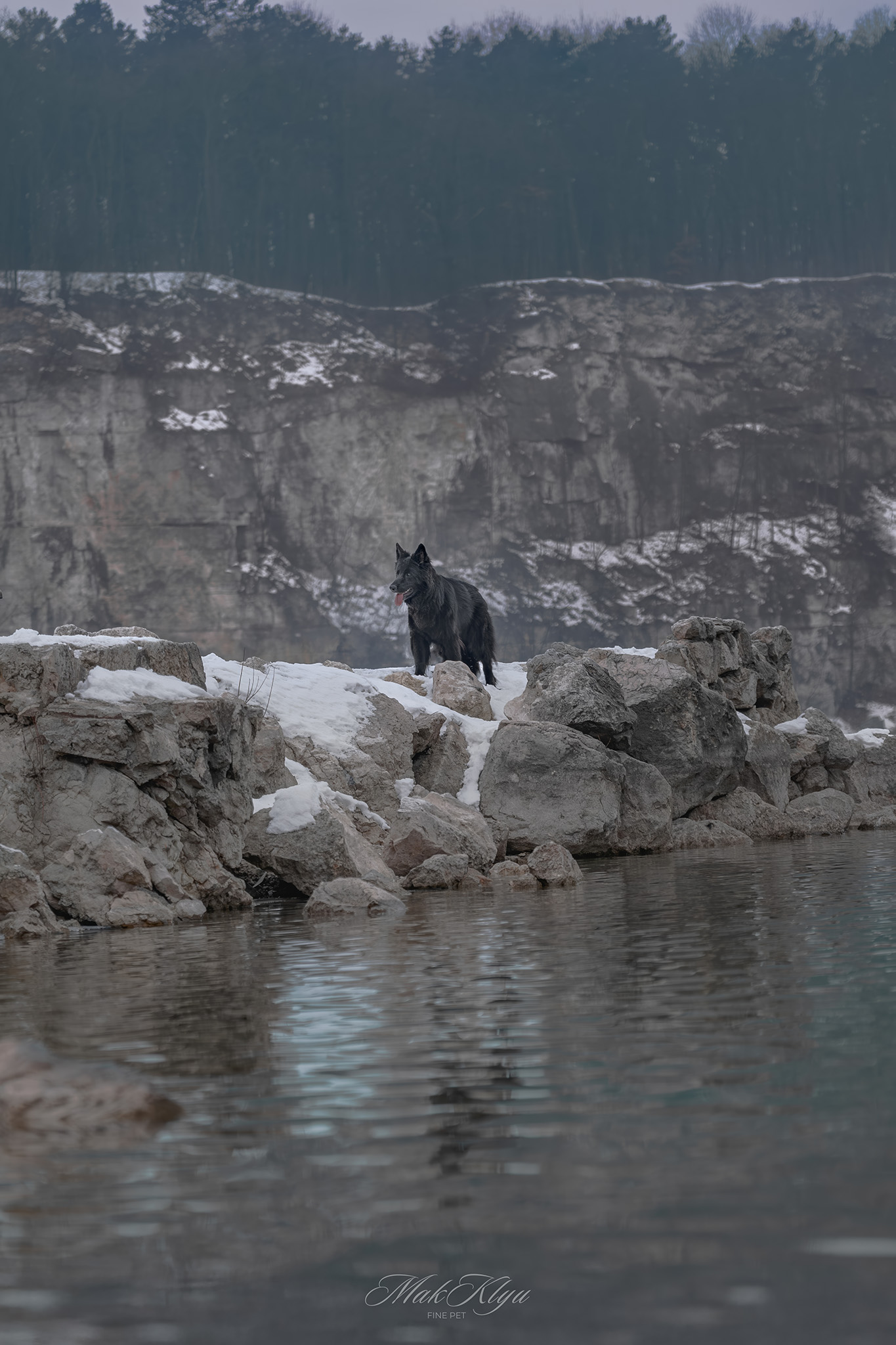
A dog moving across an open landscape creates a different kind of photograph from a traditional portrait.
There is room around the animal.
There is somewhere to go.
The viewer begins to sense a world beyond the frame.
And somewhere outside that frame, there may be a person the dog knows is still there.
Natural Dog Photography Is About Watching, Not Directing
Some of the most meaningful moments cannot be arranged.
A dog pauses.
Looks into the distance.
Follows a scent.
Chooses another direction.
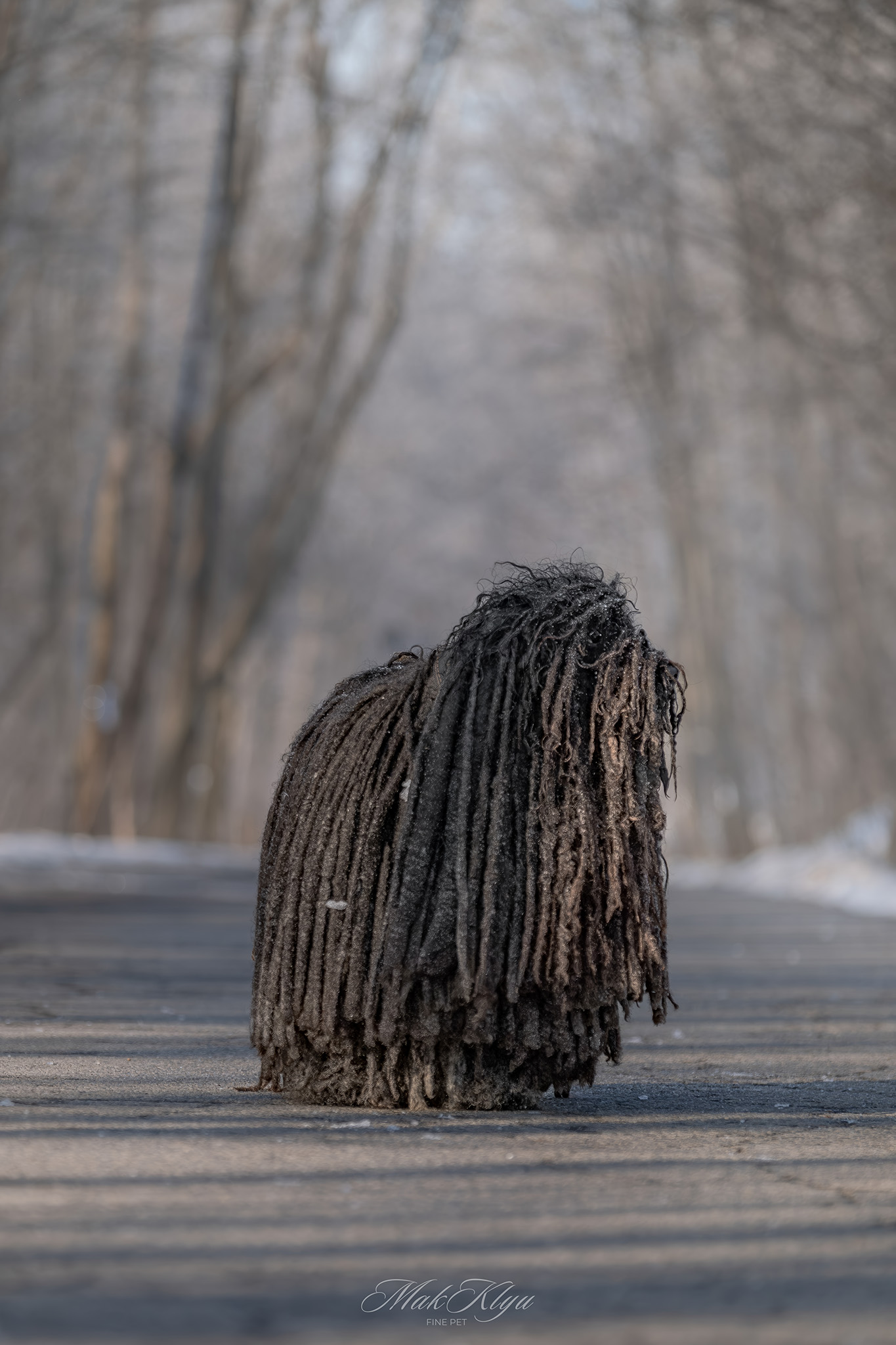
For a photographer, the challenge is not always to interrupt these moments and bring the dog's attention back to the camera.
Sometimes the better choice is simply to watch.
This is where natural dog photography becomes less about control and more about recognition — noticing the gestures that already belong to the dog.
The Freedom to Explore
Exploration changes the rhythm of a photographic session.
Instead of asking for one position after another, we can allow periods in which nothing needs to happen for the camera.
The dog can move through the landscape, investigate the ground, disappear partially into tall grass or stop somewhere that was never planned as a photographic location.
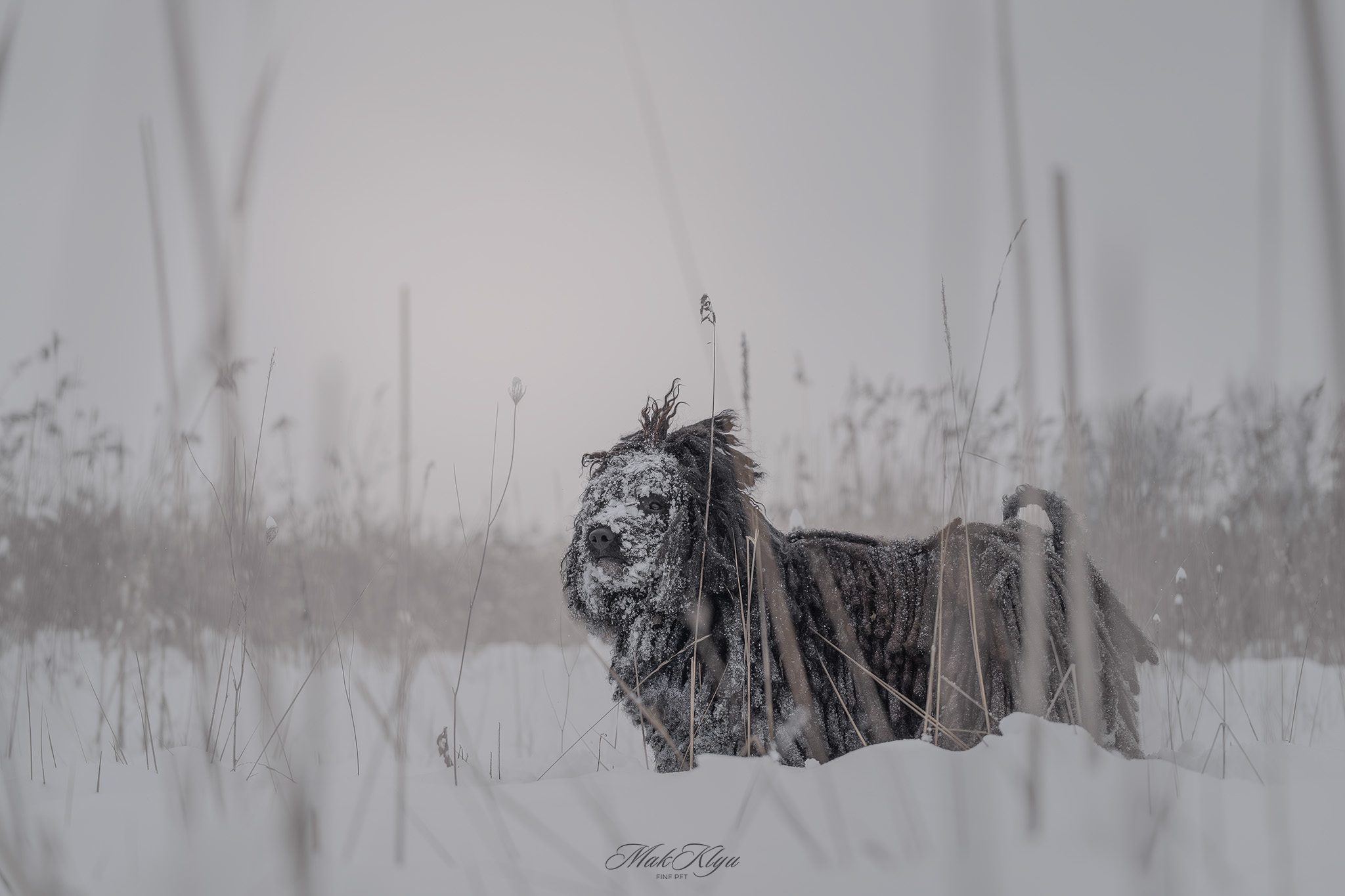
These moments give the session its own geography.
The landscape is no longer a background placed behind the dog.
It becomes something the dog moves through, responds to and discovers.
A Quiet Moment of Attention
Closeness is not always physical.
Sometimes it appears in a turn of the head, a brief pause or a moment of attention directed toward something outside the photograph.
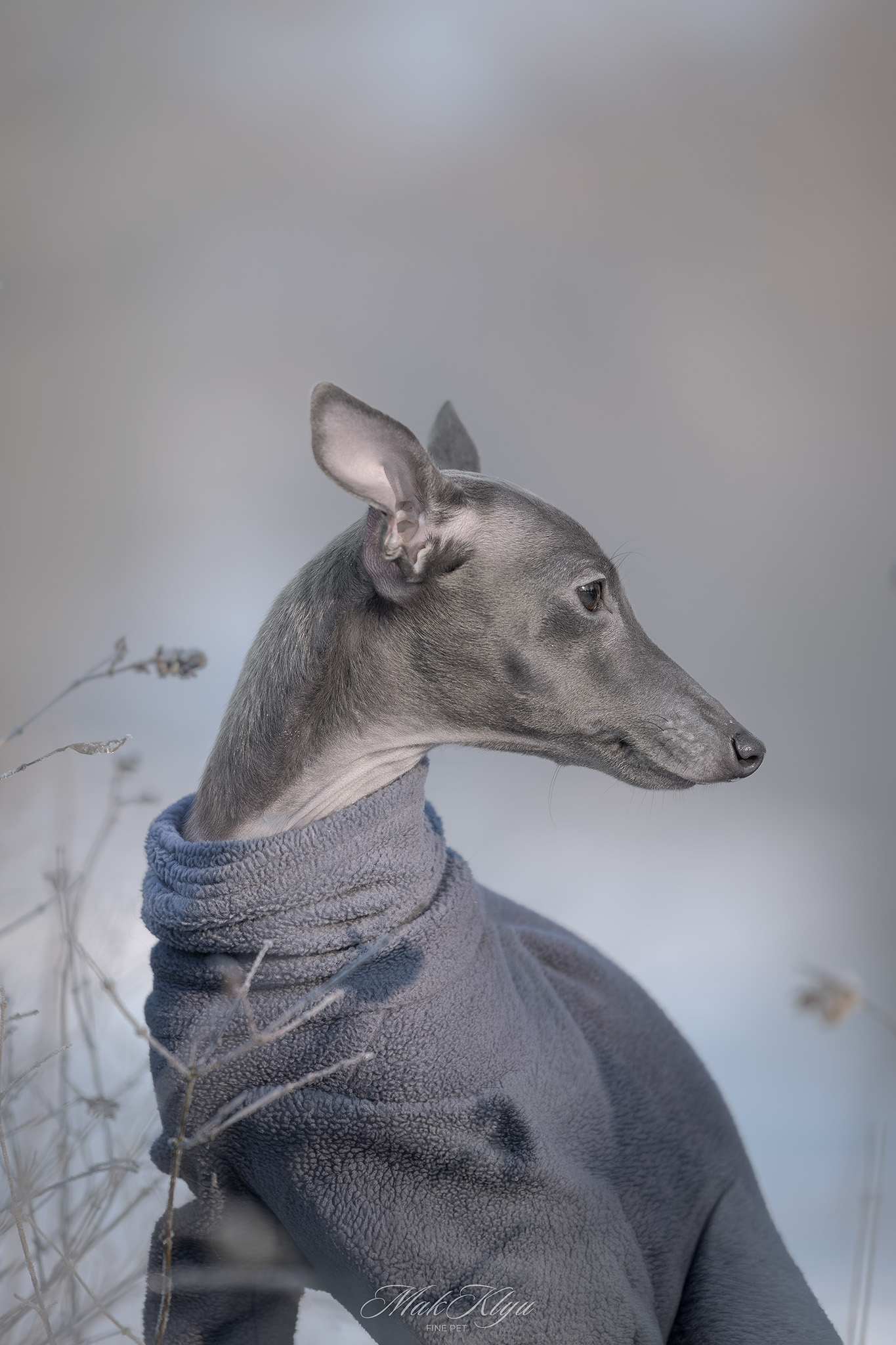
Such gestures are easy to miss because they are small.
But photography can preserve them.
A portrait made during one of these pauses can feel very different from a portrait created by deliberately calling the dog toward the lens.
The expression belongs to whatever was happening in that moment — not to the photographer's request.
When the Dog Comes Back
There is something particularly beautiful about a dog that has been free to explore and then chooses to return.
Not because returning proves obedience.
Beautiful photographs do not depend on perfect obedience, either.
And not because every movement should be interpreted as a statement about the relationship between dog and person.
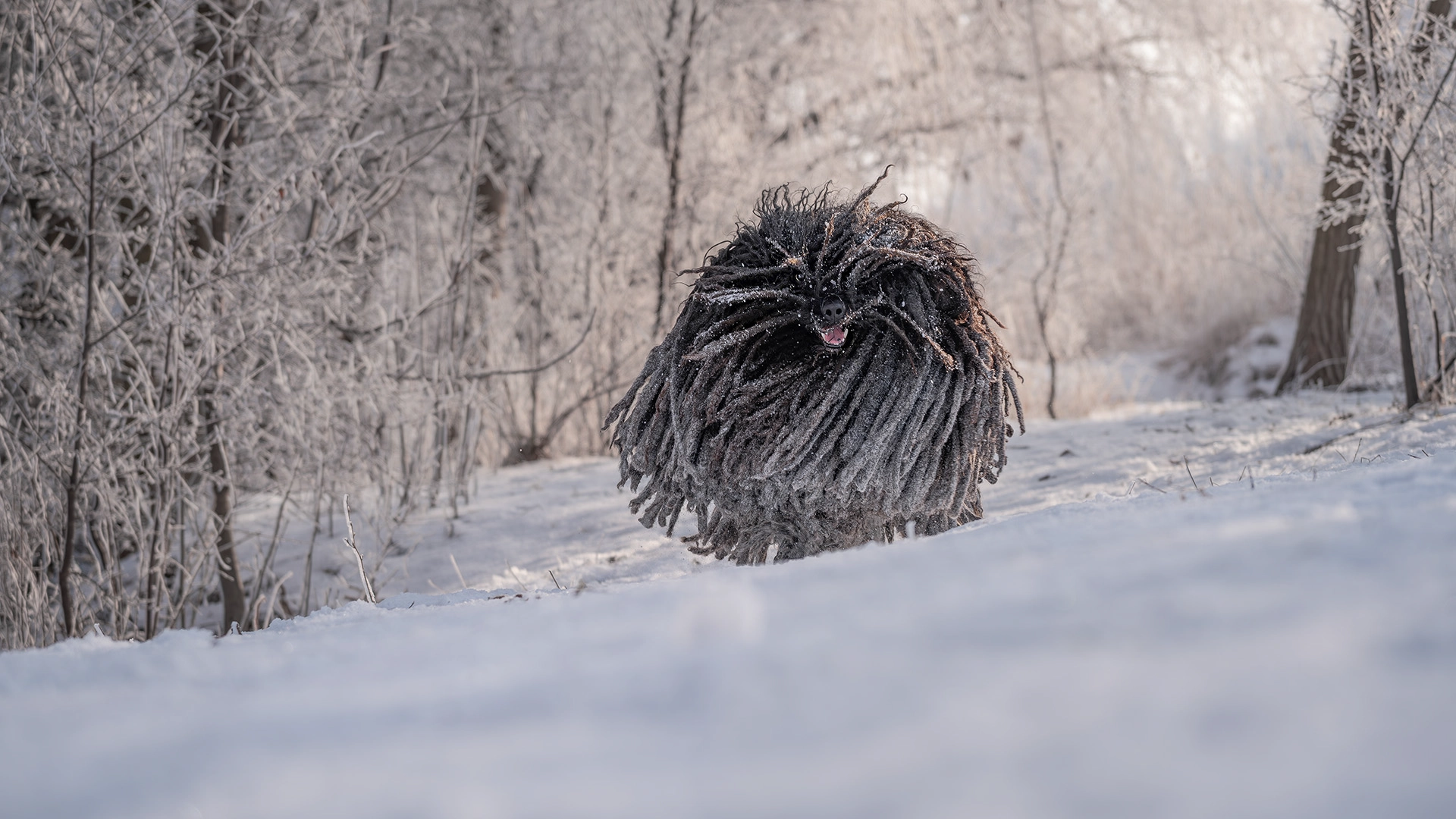
It is simply part of the rhythm of being together: distance and nearness, curiosity and return.
For a photographer, that movement can become part of the story rather than something that happens between photographs.
Staying Close Without Standing Still
A meaningful dog portrait does not always require stillness.
The dog may be several metres away.
It may be walking ahead, watching something we cannot see or pausing beneath a tree.
Yet the photograph can still carry a sense of companionship.
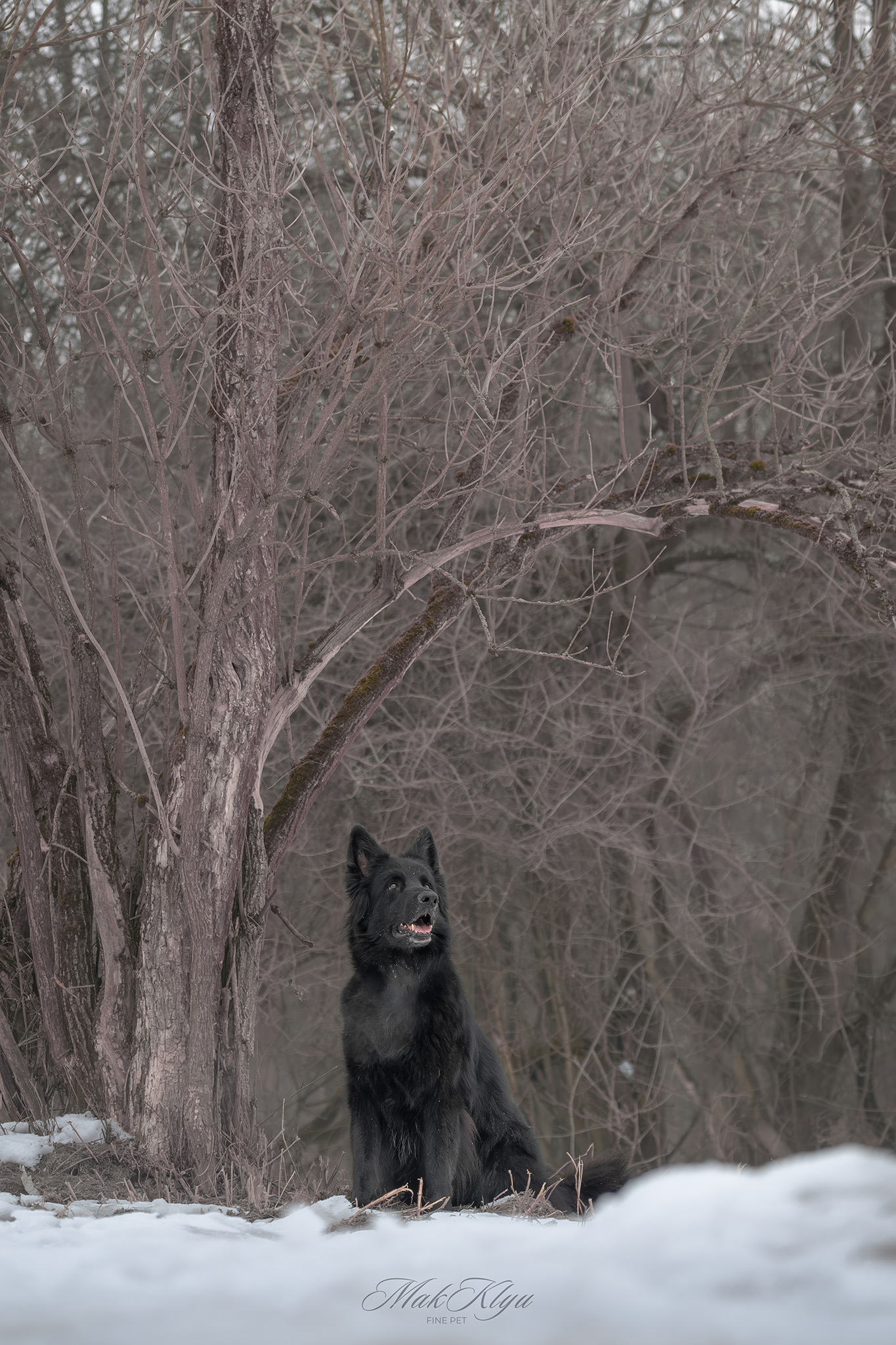
Perhaps this is because closeness is not a position that can be arranged.
It is something we occasionally recognise in the way a dog moves through the world while knowing that someone familiar is nearby.
Let the Walk Continue
Not every photographic story needs to end with a dog sitting beautifully in front of the camera.
Sometimes the most natural ending is simply another step.
The dog continues along the path.
The landscape continues beyond the photograph.
And the person remains somewhere outside the frame.
Nothing has been concluded.
The walk goes on.