
Natural light in outdoor pet photography does more than illuminate an animal.
It shapes the space around them, changes the emotional tone of a portrait, reveals texture and movement, and sometimes determines what we notice first.
There is no single kind of light that makes a meaningful photograph.
A bright morning can create openness and warmth.
A cloudy sky can soften everything it touches.
Deep shade can bring stillness and mystery.
Even a small patch of light between trees can completely change the way we experience a scene.
For me, working outdoors is not about waiting for perfect light.
It is about noticing what the existing light is already doing — and allowing the photograph to grow from it.
Light Creates Space
An outdoor portrait begins long before we look at the animal itself.
Light defines the landscape around them.
It separates one part of the scene from another, gives depth to grass and trees, and creates a sense of distance between the subject and the world beyond.
Sometimes an animal occupies only a small part of the frame.
That does not make their presence less important.
A large tree, an open sky or a quiet field can tell us something about where they are and how they belong to that place.
In these photographs, the environment is not simply a background.
It becomes part of the portrait.

Soft Light Preserves Character
Natural light in outdoor pet photography can be especially beautiful when it is gentle.
Soft light does not demand attention.
Instead, it allows small details to remain visible: the texture of fur, the direction of a gaze, the shape of whiskers, the movement of grass around an animal.
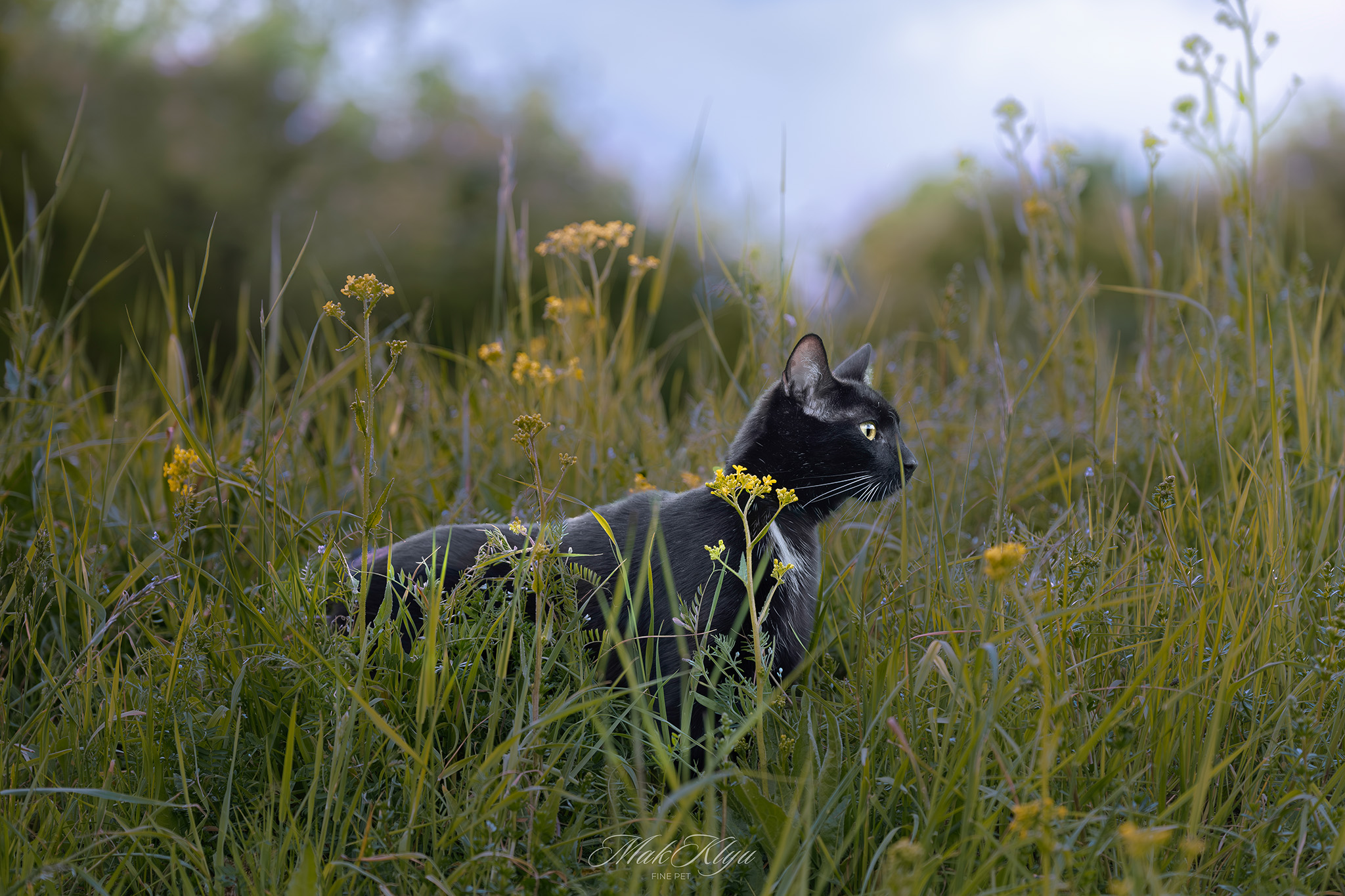
This can be particularly important when photographing black or very dark animals.
Strong direct sunlight may create extreme contrast between highlights and shadows, while softer light can preserve subtle variations in the coat without losing the atmosphere of the scene.
But the value of soft light is not only technical.
It creates a feeling of calm.
And when the light becomes quieter, the animal often becomes the emotional centre of the photograph without needing to pose or perform for the camera.
Light Belongs to the Environment Too
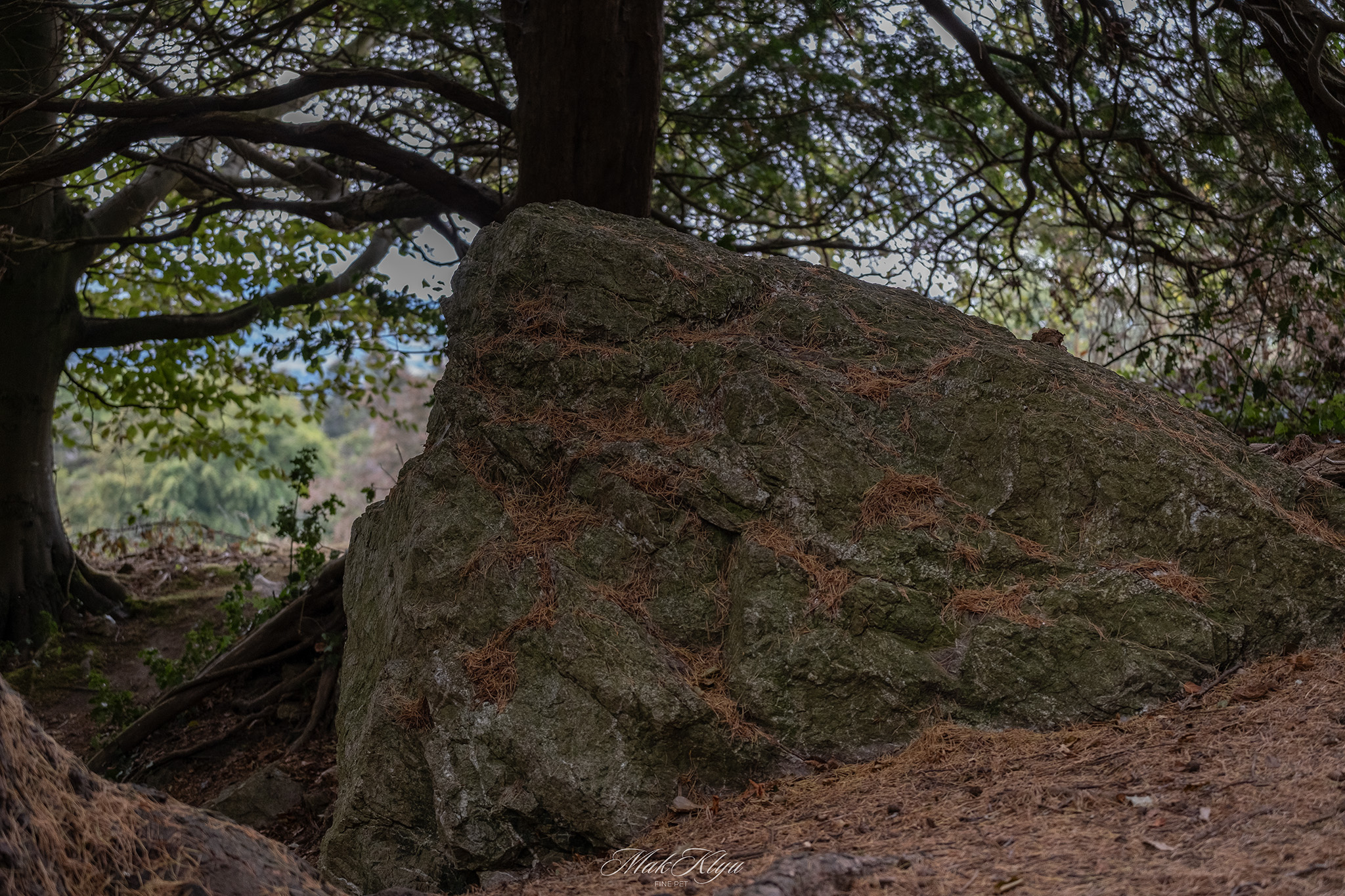
Sometimes the most useful photograph for understanding light contains no pet at all.
Watch what happens to leaves when sunlight passes through them.
Notice how one part of a forest becomes luminous while another disappears into shadow.
Look at the way light catches the edge of a branch or turns an ordinary patch of grass into something briefly extraordinary.
These observations matter because animals move through the same landscape.
Before photographing a dog or cat, I often find it more interesting to understand the place first.
Where does the light fall?
Where does it disappear?
Which areas feel open, and which feel protected?
Once we begin to see those changes, the location itself starts suggesting where a photograph might happen.

I see it differently.
Under trees, beside dense vegetation or on an overcast day, reduced light can create a quieter visual world.
Colours become restrained.
Bright distractions disappear.
The photograph may feel more intimate and contemplative.
An animal does not always need to be brightly illuminated to remain present in the frame.
Sometimes a small reflection in the eyes, a delicate highlight along the face or a slightly brighter area behind the subject is enough.
The darkness around them can become part of the story.
This is especially valuable when the animal is naturally cautious or absorbed in its surroundings.
Instead of pulling them out of that environment, the photograph can allow them to remain within it.

Imagine looking through a dark opening in the vegetation and finding a single tree illuminated beyond it.
Nothing needs to point toward the tree.
The contrast does the work.
The same principle can shape an animal portrait.
A brighter patch behind a dog, a soft opening between branches or a small area of light falling across a cat's face can quietly tell the viewer where to look.
This is why I do not think about light only as illumination.
Light is also composition.
It can connect parts of an image, separate them, hide unnecessary details and give visual importance to something that might otherwise go unnoticed.

Clouds move. Leaves interrupt the sunlight. Wind changes the direction of grass. A path that looked bright a few minutes ago can suddenly become muted and quiet.
Animals respond to these surroundings too.
They stop beneath trees, look toward sounds we cannot hear, disappear behind vegetation and choose places that a photographer might never have selected in advance.
Allowing some of that unpredictability into the photograph can make the result feel more truthful.
Instead of placing an animal into a predetermined composition, we can watch how the animal, the landscape and the available light briefly arrange themselves.
Sometimes that moment lasts only seconds.
Beautiful light certainly exists at sunrise and sunset.
But meaningful photographs are not limited to those moments.
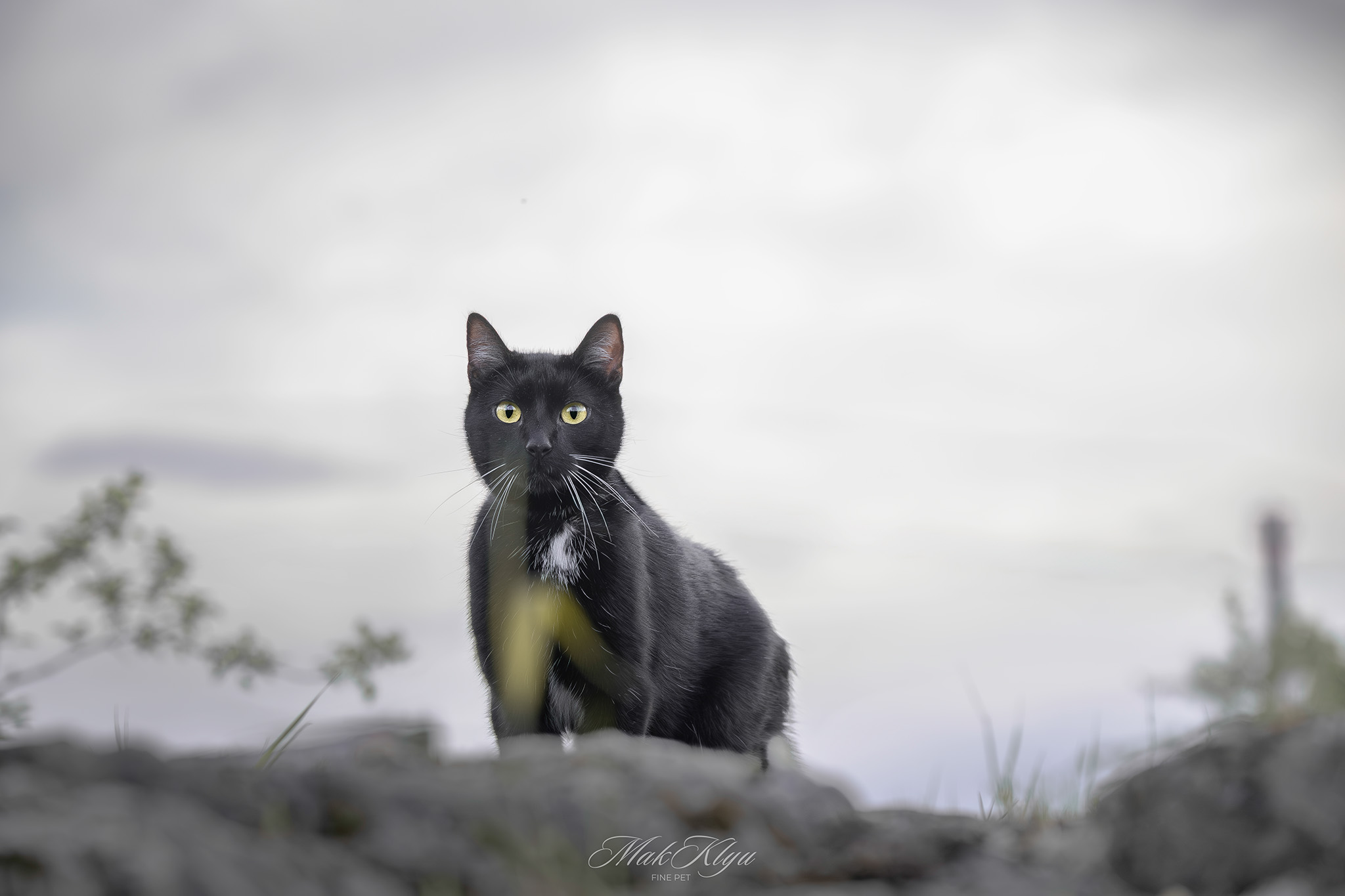
Cloudy light can be wonderfully soft.
Shade can create depth.
A pale sky can give a dark animal remarkable presence.
Strong contrasts can make a scene dramatic, while almost flat light can make it peaceful.
The question is not always:
Is this good light?
A more interesting question is:
What kind of story can this light tell?
Once we begin looking at light this way, changing conditions stop being obstacles.
They become possibilities.
The animal moves.
The wind changes.
Clouds cross the sky.
Light appears and disappears.
That uncertainty is part of what makes photographing animals in nature so compelling.
Rather than forcing every session toward the same visual result, I prefer to notice what the day offers and work with it.
Some days feel bright and expansive.
Others are quiet, shadowed and introspective.
Because natural light is not simply something that falls on the subject.
Sometimes, it is part of the story itself.